ACV, RCV and recoverable depreciation
The first cheque is smaller than the estimate, and there are two completely different reasons that can be true. One of them is temporary. The other one is the whole ball game, and it was decided when you bought the policy rather than when the storm hit.
- Defined by Missouri statute
- Neither. No Missouri statute defines ACV or RCV.
- Where they are defined
- In your policy, and in case law interpreting it.
- Where to check yours
- The declarations page, and any roof surfacing endorsement.
- The regulator's own view
- An ACV roof policy on an old roof can pay a small fraction of the replacement.
Replacement cost and actual cash value
Everything on this page hangs off the difference between them, and the difference is not complicated. It is just never explained at the point of sale.
Replacement cost value
What it costs today to put the roof back, with materials of like kind and quality, at today's labour rates. Under a replacement cost policy the carrier does not usually hand you that number in one go. It pays actual cash value first and holds the rest, releasing it against work you actually carry out.
Actual cash value
Replacement cost minus depreciation for the age and condition of what was there. A fourteen year old roof is not a new roof, and an actual cash value settlement reflects that. Under a replacement cost policy this is the first instalment. Under an actual cash value roof endorsement it is the whole thing.
Why the cheque is smaller than the estimate
An illustration, not a quote and not a prediction. The figures are round and invented for the arithmetic. Yours will be different, and only your own estimate tells you how.
| Line | Who sets it | Amount |
|---|---|---|
| Replacement cost of the scope the carrier writes | Insurer | $19,400 |
| Less depreciation, for the age and condition of the old roof | Insurer | $6,790 |
| Less the deductible on your declarations page | Your policy | $2,000 |
| First cheque, the actual cash value payment | Insurer | $10,610 |
| Released on completion, against the paid invoice | Insurer | $6,790 |
| Total received, under a replacement cost policy | Insurer | $17,400 |
| Total received, if the roof is on an actual cash value endorsement | Insurer | $10,610 |
Read the last two rows next to each other. Same storm, same roof, same estimate, same deductible. The gap between them is a decision made on the day the policy was written, and most households do not know which of the two they bought until the first cheque arrives.
What the state itself publishes about roof coverage
The Missouri Department of Commerce and Insurance publishes a comparison of how the state's largest homeowners insurers handle roof coverage, laid out across the top twenty carriers, because roof surfacing endorsements have quietly become the most consequential fine print in a Missouri homeowners policy. The department's Director has made the point in plain language: an actual cash value policy on a twenty year old roof may pay as little as twenty per cent of the cost to replace the roof.
That is the state's own regulator, describing a legal and disclosed product. Nothing about it is a scandal. It is a cheaper policy that does a smaller thing, and the only genuine problem is how many people are holding one without knowing.
The practical move takes ten minutes and it is best done before a storm rather than after. Find your declarations page. Look for a roof surfacing payment schedule, a windstorm or hail loss to roof surfacing endorsement, or any table that pays a declining percentage by the age of the roof. If one is attached, your roof is on actual cash value regardless of what the rest of the policy says about replacement cost, and you should know the number before you need it.
Sometimes the gap is not depreciation at all. It is scope.
Before assuming the shortfall is depreciation, check whether it is arithmetic about a different roof. Line item estimates are produced from a measurement, and measurements are increasingly taken from aerial imagery rather than a tape. Aerial reports are usually good and occasionally wrong, and when they are wrong they are wrong in ways that cost real money.
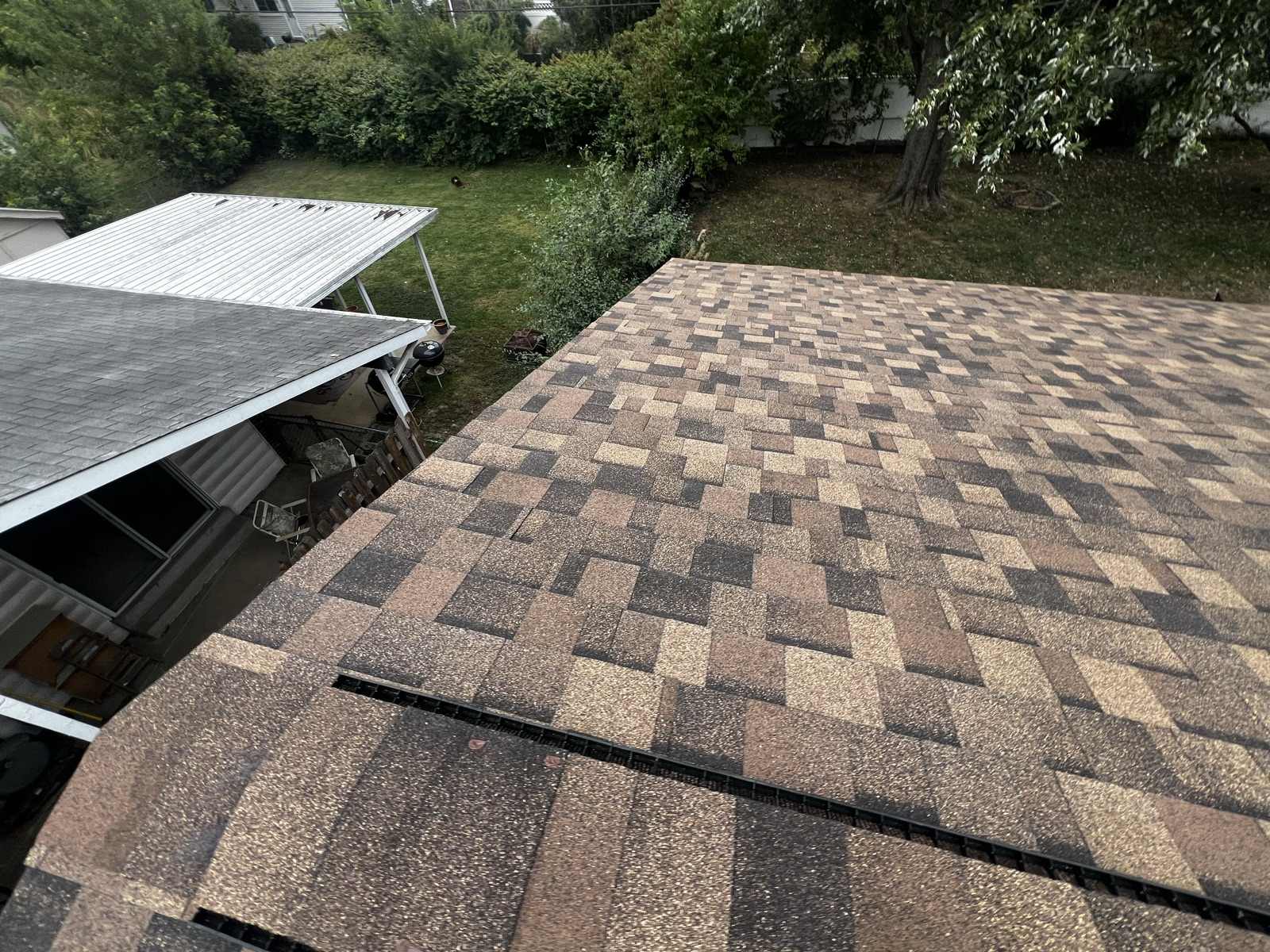
The lines to compare against your contractor's measurement, in order of how often they differ: squares of roof area, pitch, ridge and hip footage, valley footage and treatment, penetration count, number of layers to be removed, and whether there is a ridge vent line at all. A roof with a hundred feet of continuous ridge vent and an estimate with no ventilation line is not a depreciation problem, it is a missing item, and missing items get added by supplement rather than by argument.
You raise those lines, as the policyholder, in writing. A contractor can hand you a measurement and a scope that make the comparison possible, and can stand on the roof and explain the building. Under RSMo 407.725(6) no roofing contractor may represent or negotiate the claim itself, so the letter goes out over your name.
Four that come up once the cheque lands
Do I have to spend it on the roof?
As between you and the carrier, generally not, though the recoverable half only comes back against work actually done and invoiced, so declining to do the work simply means declining the second payment. If there is a mortgage, the deed of trust usually says otherwise and the lender holds the money in a loss draft account until inspections clear.
Why is my mortgage company on the cheque?
Because it has an insurable interest in the house and the loan documents say so. It is standard, it is not a dispute, and it is slow. Call their loss draft department the week the cheque arrives and ask for the endorsement instructions and the release schedule in writing.
What is a supplement?
An addition to the estimate for work that was genuinely discovered rather than argued for, most often decking that turned out to be rotten once the old roof came off. It is submitted with photographs and it is common. It is not a second bite at the same apple.
Can my roofer just get the depreciation released for me?
No. A contractor can produce the completed invoice and the finished photographs the carrier asks for, which is most of the practical work, but the request is made by you and the payment is made to you. Missouri does not permit a roofing contractor to represent or negotiate any part of a homeowner's insurance claim.
A measurement to compare against
Most disputes about a roof estimate are disputes about squares, pitch, ridge footage and layers. Keys Roofing measures the roof, photographs every slope and writes a priced scope, and you keep the document whether or not you hire us.
Keys does not speak to your insurer for you, does not negotiate any part of the claim, and takes no share of any settlement. That is a line drawn by RSMo 407.725, and it applies to every roofing contractor in this state.
Roofing, gutters and downspouts across greater St. Louis. No siding, no windows, no commercial work.
Ask for a roof inspection
This reaches Keys Roofing, a roofing contractor. It does not reach your insurer, it does not open a claim, and nothing you type here is submitted to anybody but Keys.