When a roof claim is denied in Missouri
Most of what homeowners call a denial is not one. Telling the difference is the first move, because a denial, an underpayment and a scope disagreement are three different problems with three different routes out, and only one of them starts a five business day clock.
- First question
- Is it a denial at all, or an estimate you disagree with?
- What a denial must contain
- The specific policy provision the carrier relied on.
- Free routes available
- Reinspection, then a complaint to the state regulator.
- Paid routes available
- A licensed public adjuster, or a lawyer.
Three things that all feel like a rejection
Sort your situation into one of these before you do anything else. The route out is different for each, and starting on the wrong one wastes weeks.
The claim is denied
A letter saying the loss is not covered, citing a provision: a wear and tear exclusion, cosmetic damage language, a roof surfacing endorsement, a finding of no storm damage, or a date of loss the carrier does not accept. This is the only one of the three that starts the RSMo 407.725(3) cancellation clock on a contingent roofing contract.
Repair rather than replacement
Coverage is accepted but the carrier writes a repair, or one slope, where you expected a roof. Not a denial. This is a scope argument, and it is worked line by line, usually with a measurement and photographs alongside the carrier's estimate.
The number is just low
Coverage accepted, scope broadly right, and the amount is far below your contractor's price. Often depreciation and the deductible, which are normal, and sometimes missing line items, which are not. Check the arithmetic before assuming bad faith.
Ask for a reinspection, in writing, with something new
A reinspection is a normal part of claims handling, not an escalation. Carriers grant them routinely. What makes one productive is arriving with new information rather than the same disagreement in a louder voice.
New information looks like this: a measurement that differs from the carrier's aerial report and says how; photographs of a slope the adjuster did not access; documentation of the roof's actual age where the depreciation assumed something older; interior water photographed after the inspection; or a contractor's written scope identifying line items absent from the estimate, such as ridge vent footage, valley metal, drip edge or a second layer of tear-off.
The letter is short and it comes from you. State the claim number, the date of the inspection, the specific items you say are wrong, what you are attaching, and a request for a reinspection. Send it in a way that creates a record. Then note the date, because carriers are slower than the letter suggests and a polite follow-up on a stated date is more effective than three phone calls.
A roofer can produce the measurement, the photographs and the scope, and can be on the roof for the reinspection as the contractor. Under RSMo 407.725(6) no roofing contractor may represent or negotiate the claim, so the letter goes out over your name and the conversation with the carrier is yours.
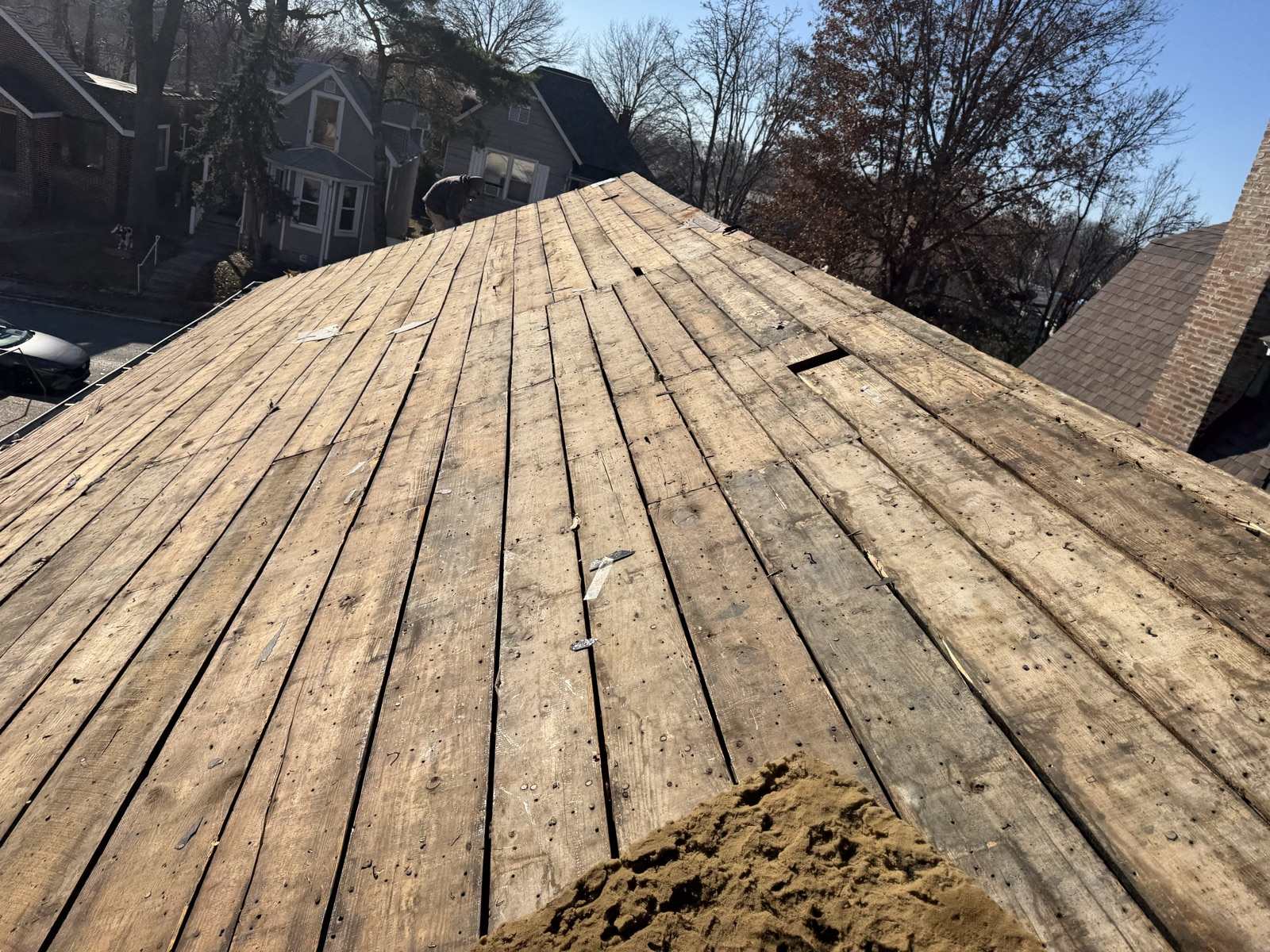
What exists after the reinspection
If you already signed a roofing contract, read this today
Where a residential roofing contract was contingent on insurance paying for the work, RSMo 407.725(3) gives you five business days to cancel it, and that clock runs from the insurer's written denial. Not from the phone call. Not from the day you signed. The contract has to carry a detachable cancellation notice, and any deposit has to be returned to you within ten business days of the cancellation.
Five business days is a week and it goes quickly while a household is absorbing bad news. If a denial letter has arrived and there is a contingent contract in a drawer, deal with the contract before you start arguing with the carrier. The claim will still be there next week. The cancellation right may not be.
Cancel in writing, keep a copy, and use the detachable notice if the contract has one. If it does not have one, that absence is itself worth noting, because the statute requires it.
What a denial is not
A denial is not proof that the carrier is dishonest, and treating every no as bad faith is the fastest way to spend money badly. Roofs age. Granule loss happens without hail. Blistering, thermal splitting, foot traffic and manufacturing variation all produce marks that look like impacts to a homeowner and do not to somebody who inspects roofs for a living. Sometimes the adjuster is right.
Equally, a denial is not the end of the process, it is a written position with a stated basis, and written positions with stated bases can be examined. The examination starts with the letter, the policy, the estimate and a measurement, and it goes better when it is done calmly and in writing than when it is done at volume.
Nothing on this page is legal advice. It is a description of routes that exist, written by a roofing contractor who watches homeowners take them.
Something new to put in the letter
A reinspection works when it arrives with new information. Keys Roofing measures the roof, photographs every slope and writes a priced scope, and you keep all of it and send whatever part of it you want to.
Keys does not write to your carrier for you, does not negotiate any part of a claim, and takes no share of any settlement. That line is drawn by RSMo 407.725 and it applies to every roofing contractor in Missouri.
Roofing, gutters and downspouts across greater St. Louis. No siding, no windows, no commercial work.
Ask for a roof inspection
This reaches Keys Roofing, a roofing contractor. It does not reach your insurer, it does not open a claim, and nothing you type here is submitted to anybody but Keys.